Cryptocurrency News
Global Cryptocurrency Market Update 2026 Bitcoin Ethereum Trends And Crypto Industry Developments


Introduction
As digital assets get more and more attention from investors, governments, and banks throughout the world, the cryptocurrency market is changing quickly. Cryptocurrencies have gone from being marginal technical experiments to a major financial asset class that affects markets throughout the world in only a few years. Bitcoin, Ethereum, and other digital currencies are already worth trillions of dollars on the market and are becoming more important in the financial ecosystem as a whole.
How Bitcoin Does And How The Market Changes?
Bitcoin is still the most important cryptocurrency on the world market. Bitcoin is the first decentralized digital currency and it still sets the tone for the rest of the crypto world. Changes in the price of Bitcoin can affect how investors feel about the whole cryptocurrency sector.
Recent news from the market shows that Bitcoin has been quite unstable because of uncertainties in the global economy and conflicts between countries. For instance, Bitcoin dropped below $67,000 as worries about international violence made riskier assets less appealing. Prices fell to about $63,255 for a short time before rising above $68,000 as the market stabilized.
Cryptocurrency markets are known for this kind of volatility since investors’ feelings can change quickly based on events across the world. Changes in interest rates, trade policy, or wars between countries can cause prices to go up and down quickly.
Bitcoin is still a major part of the financial system, even when it goes up and down in the short term. A lot of investors see Bitcoin as a long-term store of wealth, like digital gold. Bitcoin’s place in the global economy is getting stronger thanks to more businesses using it and clearer rules in some areas.
Macroeconomic policy is another major thing that affects the price of Bitcoin. When central banks raise interest rates or when global liquidity shifts, investors typically move money between traditional assets and cryptocurrencies. Because of this, Bitcoin often reacts to changes in the larger financial market.
In general, Bitcoin is still the most important cryptocurrency and a key sign of how well the whole digital asset market is doing.
Ethereum And The Rise Of New Ideas In Blockchain
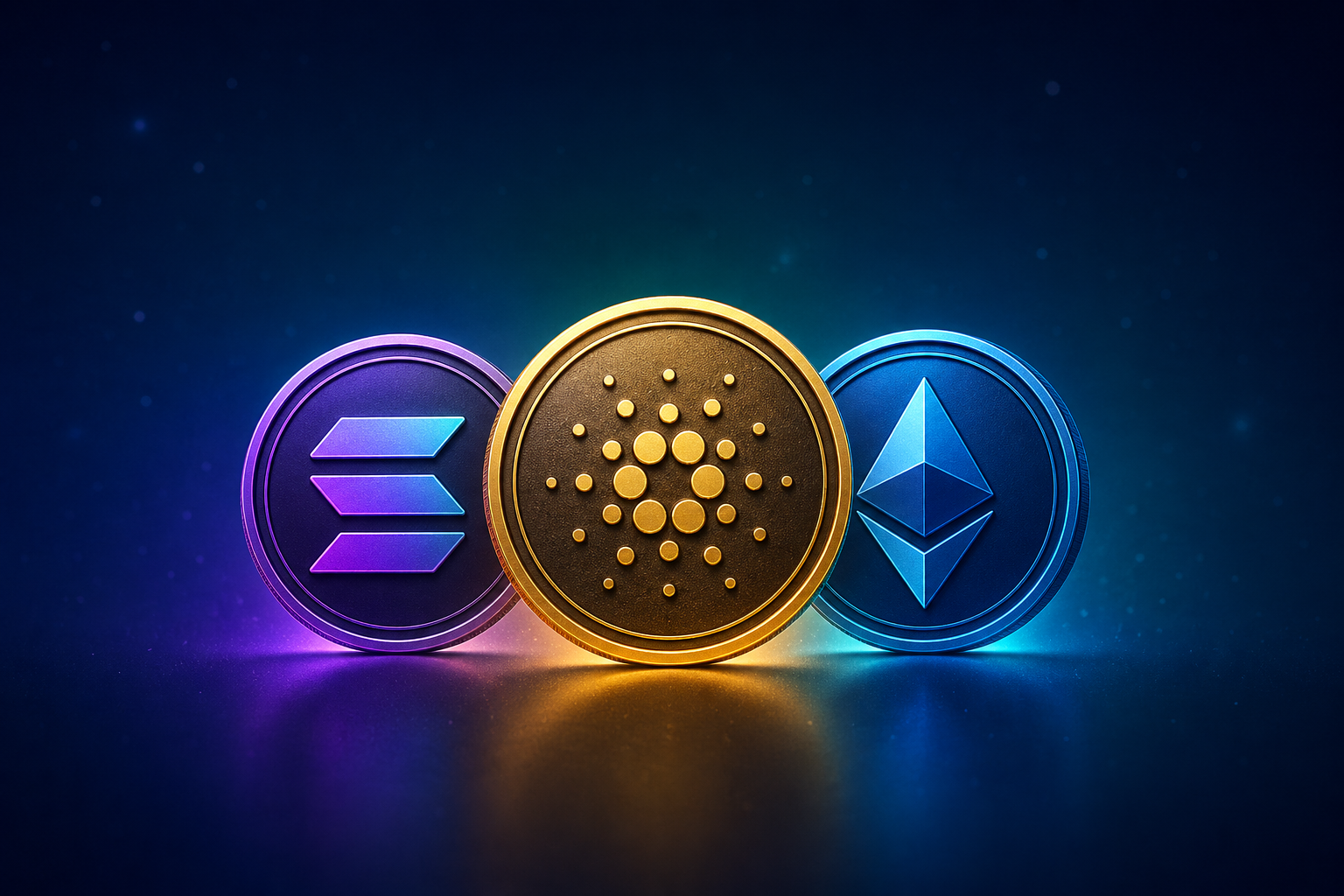
Ethereum is the second biggest cryptocurrency by market value, and it has a special place in the crypto world. Ethereum is different from Bitcoin since it is a programmable blockchain that allows decentralized apps, smart contracts, and decentralized financial platforms. Bitcoin is mostly a digital store of value.
Many new blockchain technologies, such as decentralized exchanges, lending platforms, tokenized assets, and non-fungible tokens, are built on top of the Ethereum network. Ethereum keeps attracting engineers, entrepreneurs, and investors from all around the world because of its technological possibilities.
Recent price changes reveal that Ethereum has had its ups and downs, but it is still one of the most valuable digital assets on the market. There have been reports of Ethereum prices being near $2000 in a few market updates, depending on how the market feels and how trade is going.
The rise of decentralized banking and blockchain apps is very important for the future of Ethereum. Ethereum might be a big part of making new digital business models possible as more sectors look at blockchain technologies.
Upgrades to the Ethereum network’s technology also help it flourish over time. Improvements that are meant to make the network more scalable, lower transaction costs, and make it perform better are intended to help it become more widely used.
Ethereum’s worth goes beyond just trading cryptocurrencies since it supports a wide range of decentralized enterprises. Many experts think that Ethereum is the building block for Web3, the next generation of internet infrastructure.
Altcoins And The Growing Crypto Ecosystem
There are dozens of other digital assets in the cryptocurrency market besides Bitcoin and Ethereum. These are sometimes called altcoins. These coins are commonly used for specialized things in blockchain ecosystems, such payment systems, decentralized finance, governance tokens, or infrastructure networks.
Major altcoins such as XRP and Solana continue to attract investor attention due to their technological features and active developer communities. Recent market data shows that XRP was trading at about $1.38 and Solana was priced at about $79 during one of the most recent market updates.
Altcoins are more volatile than Bitcoin and Ethereum because they usually have smaller market caps and more speculative interest. But they also provide the blockchain sector chances to evolve and come up with new ideas.
Many cryptocurrencies are meant to fix certain problems, such making transactions quicker, lowering fees, improving privacy, or making it easier to add more users. Some initiatives want to build decentralized systems for managing finances, games, digital identities, or supply chains.
The fact that there are so many different cryptocurrencies shows how quickly the blockchain industry is trying new things. Not every idea works out, but the ongoing creation of new technology helps the bitcoin ecosystem grow over time.
The Effect Of World Events On The Cryptocurrency Markets
The bitcoin market is quite sensitive to changes in the global economy and politics. Cryptocurrencies are exchanged throughout the world 24 hours a day, unlike traditional financial systems that only work in certain legal situations.
Prices of digital assets might change a lot because of geopolitical conflicts. For instance, the current war in the Middle East prompted the cryptocurrency markets to swing wildly as investors reacted to the growing uncertainty. Bitcoin’s price changed quickly at this time, which was a sign of the overall risk level in global financial markets.
Trade policies and tariffs can potentially affect the pricing of cryptocurrencies, in addition to political problems. Changes in trade rules or economic policies can lower investor confidence and stop money from moving, which can have an effect on digital asset markets.
Monetary policy is another big thing that affects the crypto market. Changes in interest rates by central banks affect the amount of money available in all financial markets, including cryptocurrencies. When interest rates go up, investors may move their money to safer assets. On the other hand, when rates go down, investors may be more likely to put their money into riskier assets like digital assets.
Cryptocurrency trading happens all around the world, thus changes in one area may swiftly affect markets all over the world.
Market Participation And Institutional Investment
Institutional investors are playing a bigger and bigger role in the bitcoin sector. Hedge funds, asset managers, and publicly traded firms are now all actively investing in digital assets.
When institutions get involved, the cryptocurrency industry gets more legitimacy and liquidity. It also brings in new financial products including custodial services for crypto exchange traded funds and institutional trading platforms.
However, institutional engagement can also make the market more volatile. Prices can change quickly when big investors put a lot of money into or take a lot of money out of the market.
For instance, certain market updates have shown that prominent cryptocurrency businesses are losing money or trading less, which might change how investors feel. One source says that a prominent crypto exchange lost hundreds of millions of dollars because trading activity and investments fell off.
Even with these problems, institutions are nonetheless interested in digital assets. A lot of financial companies think that cryptocurrencies and blockchain technology will be very essential in the future of finance.
Changes In Government Policies And Rules
Government rules are still one of the most essential things that will shape the future of cryptocurrencies. Countries have taken several ways to regulating digital assets, from severe control to rules that encourage innovation.
specific officials are trying to make the rules for holding and taxing cryptocurrencies clearer in specific areas. These rules are meant to keep investors safe and encourage the growth of new technologies.
Governments are also looking on central bank digital currencies, which may work alongside decentralized cryptocurrencies. More institutional investors are likely to get in if the rules are clear, which will help the market stabilize over time.
But occasionally, ambiguity regarding rules might make the market unstable in the near run. When news comes out about possible new laws or limits on digital assets, investors frequently move rapidly.
As governments keep improving their methods, the link between cryptocurrencies and regular financial institutions will probably get stronger.
The Future Of Blockchain And New Technologies
Technological innovation is a big part of the long-term growth of the bitcoin sector. Blockchain technology is still becoming better at being scalable, secure, and able to work with other systems.
One of the most important new ideas in the crypto world is decentralized banking platforms. People may lend, borrow, trade, and earn interest on these platforms without having to utilize traditional banks.
Tokenization is another new development that might change the way financial markets work. Tokenization lets you turn real-world things like real estate stocks or commodities into digital tokens on blockchain networks. This method might make financial markets more open, efficient, and liquid.
Experts in the field think that by 2026, cryptocurrencies might become an important part of the world’s financial system because to improvements in decentralized finance stablecoins and blockchain technology.
Even if the bitcoin industry is growing quickly, these new ideas show that it is still in the early phases of development.
What’s Going To Happen In The Market And What Trends Will Happen In The Future?
The bitcoin market is likely to stay active and unpredictable in the future. Because of big-picture economic considerations, changes in regulations, and happenings throughout the world, prices are expected to keep going up and down in the short term.
But long-term trends show that digital assets will become more and more essential in the global financial system. Technological innovation and the growing use of blockchain by banks might lead to long-term growth.
Investors and experts are still keeping an eye on a few important developments, such as the rise of decentralized finance, the growth of institutional adoption, the clarity of regulations, and the building of blockchain infrastructure.
The cryptocurrency sector is still growing quickly, even if there are still problems including market instability, security worries, and unclear rules.
Final Thoughts
The global cryptocurrency industry is going through a change that is marked by instability, new ideas, and more engagement from big businesses. Bitcoin is still the most important digital asset, but Ethereum and other altcoins are adding to the growing blockchain ecosystem.
Recent changes in the market show how strongly the values of cryptocurrencies are linked to world events, economic policy, and how investors feel. Market behavior is affected by geopolitical conflicts, governmental choices, and technical progress.