Altcoin News
Altcoins Near Historic Lows Amid Market Pressure In March 2026

Introduction
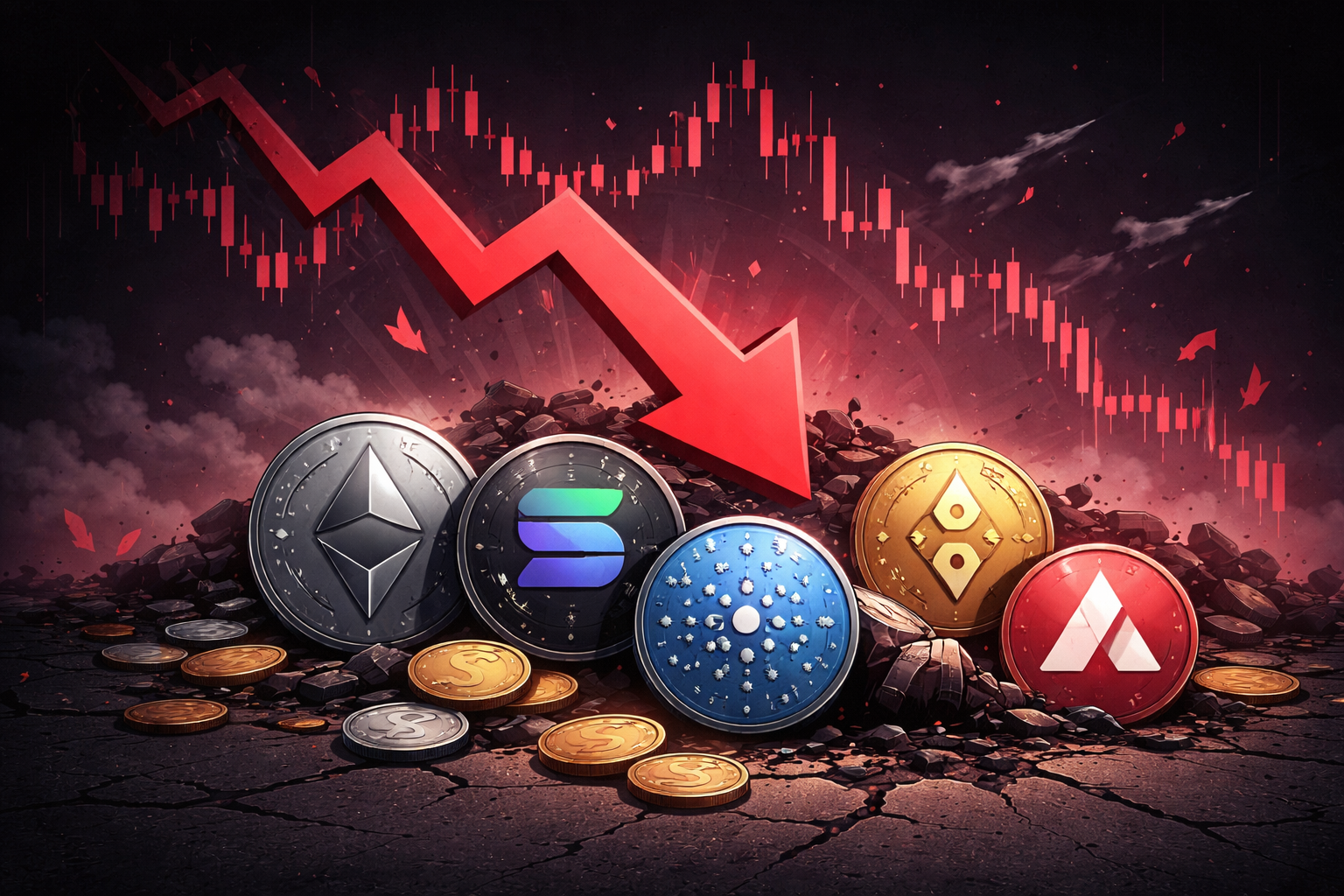
The first week of March 2026 marked a critical moment in the cryptocurrency market as a large portion of altcoins drifted dangerously close to their historic lows. Nearly 38 percent of alternative cryptocurrencies experienced significant downward pressure, reflecting a broader shift in investor sentiment and capital allocation. This period was not just another routine correction but rather a convergence of macroeconomic forces, market psychology, and structural weaknesses within the altcoin ecosystem. The decline highlighted how vulnerable altcoins remain during times of uncertainty and how quickly investor confidence can erode when external conditions turn unfavorable.
The Nature Of Altcoin Volatility
Altcoins have always been characterized by higher volatility compared to more established cryptocurrencies. This volatility is driven by several factors including lower market capitalization, limited liquidity, and a heavy reliance on speculative trading. When market sentiment is positive, these same factors can fuel rapid price increases. However, during periods of uncertainty or risk aversion, they can lead to sharp and sustained declines.
In early March 2026, these vulnerabilities became increasingly evident. As investors reassessed their portfolios, altcoins were often the first assets to be sold. This created a cascading effect where declining prices triggered further selling, leading to a cycle of negative momentum. The lack of strong institutional support for many altcoins further amplified this trend, as there were fewer large buyers willing to step in and stabilize the market.
Investor Migration To Traditional Assets
One of the most significant developments during this period was the movement of capital away from altcoins and into traditional financial markets. Stocks and commodities became increasingly attractive due to their perceived stability and the presence of clearer regulatory frameworks. In addition, improvements in global economic indicators and corporate earnings reports contributed to renewed confidence in equity markets.
Commodities also saw increased interest as investors sought tangible assets that could act as a hedge against inflation and geopolitical uncertainty. This shift reflected a broader trend of risk reduction, where market participants prioritized capital preservation over high risk speculative gains.
The impact on altcoins was immediate and severe. Reduced inflows meant less buying pressure, while ongoing outflows intensified selling activity. This imbalance led to declining prices across the board, with many altcoins approaching levels not seen since previous market cycles.
Psychological Factors And Market Sentiment
Market psychology played a crucial role in the decline of altcoins during this period. As prices began to fall, fear and uncertainty spread among investors. This was further amplified by declining search interest in terms related to altcoin rallies, indicating a drop in retail enthusiasm.
When retail investors lose interest, the market often experiences reduced trading volume and liquidity. This makes it easier for prices to move sharply in either direction, but during bearish phases, it typically results in accelerated declines. The absence of strong positive narratives or catalysts also contributed to the lack of confidence, leaving the market without a clear direction or source of optimism.
Another psychological factor was the memory of previous market cycles. Experienced investors recognized patterns similar to past downturns and acted preemptively by reducing their exposure to altcoins. This collective behavior reinforced the downward trend, as more participants adopted a cautious approach.
Structural Weaknesses In The Altcoin Market
The events of March 2026 also exposed underlying structural issues within the altcoin ecosystem. Many projects still rely heavily on hype and short term speculation rather than sustainable business models or real world adoption. This makes them particularly vulnerable during periods of market stress.
Liquidity fragmentation is another major challenge. Unlike more established assets, altcoins are often traded across a wide range of exchanges with varying levels of activity. This fragmentation can lead to inconsistent pricing and reduced efficiency, especially during times of high volatility.
Additionally, regulatory uncertainty continues to cast a shadow over the altcoin market. While some jurisdictions have made progress in establishing clear guidelines, others remain ambiguous. This lack of clarity can deter institutional investment and limit the growth potential of altcoins.
The Role Of Innovation Amid Decline
Despite the bearish conditions, it is important to note that development within the altcoin space did not come to a halt. Many projects continued to build and innovate, focusing on improving scalability, security, and usability. This ongoing progress highlights a key distinction between price performance and technological advancement.
Periods of market decline often serve as a testing ground for the resilience of projects. Those that continue to develop and attract users during challenging times are more likely to emerge stronger when market conditions improve. In this sense, the downturn can be seen as a necessary phase that helps filter out weaker projects and strengthen the overall ecosystem.
Long Term Implications For The Market
The approach of altcoins toward historic lows in March 2026 carries several important implications for the future of the cryptocurrency market. First, it underscores the need for greater maturity and stability within the altcoin sector. This includes improved transparency, stronger governance structures, and a clearer focus on delivering real value to users.
Second, it highlights the importance of diversification and risk management for investors. The rapid decline of altcoins serves as a reminder that high potential returns often come with significant risk. Investors who fail to account for this risk may face substantial losses during downturns.
Finally, the shift toward traditional assets suggests that the relationship between cryptocurrencies and the broader financial system is evolving. As global markets become more interconnected, developments in one sector can have a direct impact on others. This interconnectedness will likely continue to shape the behavior of investors and the performance of different asset classes.
Conclusion
The decline of altcoins to near historic lows in early March 2026 was the result of a complex interplay of factors including investor behavior, market psychology, and structural weaknesses within the ecosystem. The movement of capital toward stocks and commodities played a central role, reflecting a broader shift toward stability and risk aversion.
While the downturn has been challenging, it also presents an opportunity for reflection and growth. Projects that can demonstrate resilience and deliver meaningful value are likely to survive and thrive in the long term. For investors, the experience serves as a valuable lesson in the importance of discipline, research, and strategic decision making.