Blockchain Technology
Travel Medical Blockchain And AI Transforming Global Healthcare Tourism In 2026

Introduction
In 2026, travel medical blockchain technology powered by AI is changing the way people travel for medical care and how they get, manage, and finish medical trips overseas. In the past, healthcare tourism involved a lot of paperwork, back-and-forth exchanges of documents, uncertainty about the patient’s history, and slow manual claims processing. Now, with the help of distributed ledger technology and smart systems, every step of the international medical travel experience is faster and safer. This in-depth article talks about how travel medical blockchain works, why it’s important, what benefits it offers for patients and healthcare systems, and what the future of global health travel looks like as we move toward a world where borders don’t stop people from getting medical care or continuing their care.
The Rise Of Travel Medical Blockchain In 2026
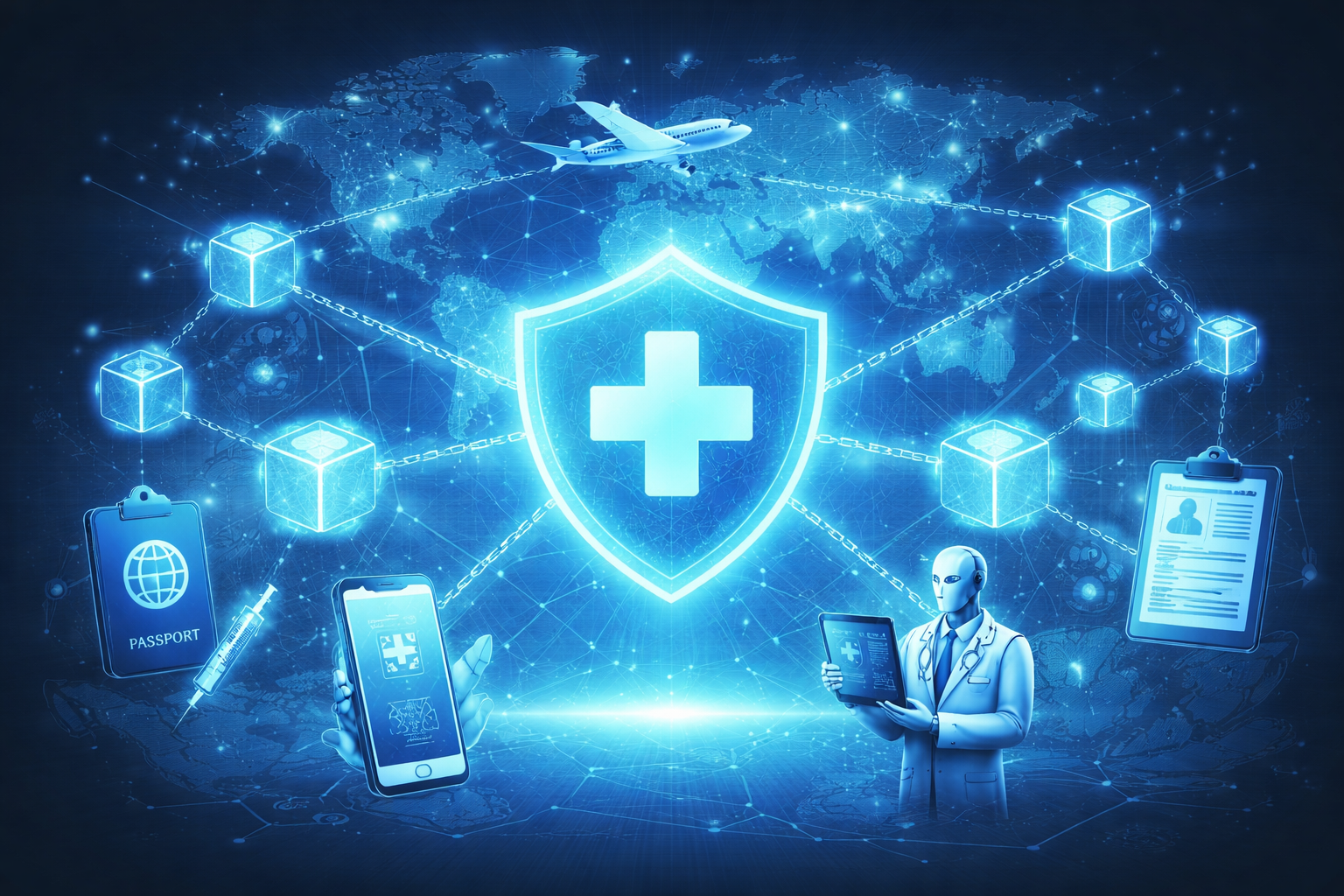
In 2026, blockchain technology has come a long way since its early days as a way to make cryptocurrency transactions. It is now a basic tool for safe data storage, decentralized access, and record keeping that can’t be changed in healthcare. Blockchain is a digital ledger that is spread out over many computers and stores information in blocks that are linked together in a chain. Once data is recorded, it can’t be changed without everyone on the network agreeing to it. This makes it very hard to change, steal, or lose. In the context of travel medical blockchain systems, patient medical histories, diagnostic records, treatment plans, insurance information, consent forms, and even logistical travel data now reside on interoperable blockchain networks that hospitals, clinics, insurers, and patients can securely access with appropriate permission. The end result is a single, cohesive digital medical identity that can be used online by people from different countries without having to exchange records by hand, take tests again, or pay for services that are already available.
Patients who go internationally for medical care typically have to carry paper documentation with them, upload files to several different platforms, go to foreign hospital offices in person, and wait for insurance companies to give them the green light before treatment can start. Travel medical blockchain takes away a lot of these administrative tasks by giving people encrypted, verified access to health data from all over the world. In this setting, hospitals in places like Thailand, Mexico, Portugal, Hungary, and South Korea can quickly check a patient’s whole medical history and treatment plans before scheduling any procedures. Blockchain systems are now required in important areas like the European Union and are being used all over Southeast Asia and Latin America. This has made medical tourism much more efficient and lowered the danger and uncertainty for overseas patients.
AI-Powered Patient Matching And Personalized Medical Journeys
Artificial intelligence is now a key part of planning and improving a patient’s complete medical journey, in addition to keeping their records safe. Advanced AI computing looks at huge amounts of data, such as surgeon performance histories, hospital accreditation levels, complication rates, facility specializations, cost statistics, and patient preferences, to make very individualized suggestions. For instance, patients who want orthopedic surgery can compare doctors in Costa Rica, South Korea, and Portugal to help them make smart choices based on factual information about predicted results, recovery times, and costs. AI algorithms can look at more than just medical knowledge. They can also look at travel statistics, the weather, how the seasons affect recuperation, and logistical considerations like aircraft availability and hospital timetables.
AI technologies help create individualized itineraries that include flights, hotels, appointments, post-operative care, food advice, follow-up check-ins, and communication with local care teams. Blockchain integration makes sure that all trip details are stored in unchangeable smart contracts. This stops charges from going up or down unexpectedly or miscommunication. Patients no longer have to figure out how to schedule their travel and medical care on their own. An intelligent system coordinates every step to make the trip from leaving home to getting better and coming back home as smooth as possible. This combination of clinical information, predictive analytics, and automated logistics is a big change from the old way of doing international healthcare travel, which was very disjointed.
Integrating Telemedicine And Consultations Before Travel
In 2026, telemedicine will also be an important part of the travel medical blockchain ecosystem. Patients in one part of the world can now have safe virtual consultations with professionals in another part of the world through encrypted telemedicine platforms that connect directly to the blockchain network. These consultations could include live video chats, real-time translation services, genetic testing and evaluation tools, holographic imaging technology, and remote diagnostics. All of this information is stored on blockchain records that both the referring and receiving professionals can see. This system makes sure that care continues, lowers uncertainty before travel, and cuts down on the time it takes to evaluate patients at destination hospitals by a lot.
There are many benefits to using travel medical blockchain to protect telemedicine conversations. First, it gets rid of worries about data breaches and people getting into private medical records without permission. Second, it makes sure that doctors who are involved in pre-travel care have full access to a patient’s medical history, lab results, prescription regimens, and risk factors. Third, telemedicine helps patients get mentally ready for big procedures by letting them know about their care paths well in advance. Patients often say that this pre-travel continuity of care is one of the best new things that blockchain platforms have brought forth.
The Travel Experience And Logistics
Better travel logistics are one of the most obvious ways that travel medical blockchain affects patients’ journeys. In 2026, major international airports will have separate medical tourism terminals with help for patients who want to speak up for themselves. Travelers going to places like Bangkok, Budapest, Lisbon, and Mexico City can get help as soon as they land. This includes help with speeding up immigration, coordinating transportation, and direct transfers to partner medical facilities. Thai Airways, Lufthansa, and Air Canada are just a few of the airlines that now provide packaged medical tourism packages. These packages include flights, ground transportation, treatment appointments, and post-operative lodgings, all of which are organized and validated using blockchain records.
Smart logistics that use blockchain go much further. Wearable health monitors that work with blockchain systems keep an eye on patients’ vital signs while they are on the way to their destination. If there are any problems, the care team is notified before the patient arrives. These systems automatically add secure notes on in-flight vital signs, medical care, or alerts that need to be dealt with to health records. This type of real-time medical supervision was inconceivable in the past. However, it has become common practice in 2026 to protect travelers with complicated health needs who are crossing international time zones and healthcare environments.
Claims, Billing, And Clear Costs For Insurance
Travel medical blockchain has also made a big difference in how insurance claims are handled and billed. Claims for traditional international travel medical insurance often take weeks or even months to process. This is because they need to check documents, undertake manual reviews, send records by fax, make phone calls, send PDFs via email, and go through long dispute processes. Insurance companies can get unchangeable, timestamped information, check treatments right away, and accept claims with very little human involvement thanks to blockchain technologies. Policies built into smart contracts can automatically start payments when certain circumstances are met, including when an operation is finished, recuperation status is validated, or hospital billing is confirmed.
Blockchain makes fraud less likely by checking every step of clinical care against original medical records stored in the distributed ledger. Insurance firms get speedier claim settlements, lower administrative costs, and better models for figuring out how risky something is. This means that patients will have to pay a lot less out of their own pockets, won’t get any unexpected bills, and will know how much their trip will cost before they go. Patients are protected from hidden costs and changes in the exchange rate that used to make foreign medical travel so expensive. They also get guarantees that their treatment would cost the same amount in their local currency.
Safety, Privacy, And Giving Patients More Power
The most important parts of travel medical blockchain advances are security and giving patients authority over their data. Blockchain is decentralized, which makes it much harder for hackers to get in, access data without permission, or have a single point of failure. Centralized hospital databases are more likely to be hacked. Each patient has private keys that let certain providers see parts of their health information. This means that only people who are allowed to see the record can see it. This patient-centered methodology greatly improves data privacy and makes sure that international privacy laws and standards are followed.
Patients own their data and can give or take away access as needed. They can also travel with peace of mind knowing that no one institution has access to their whole medical history. This empowerment is especially helpful for those with chronic conditions, complicated histories, or rare diseases who need to travel to other countries for care. Instead than depending on paper records or incomplete medical data, they carry a secure digital medical passport that makes it easier for all of their health care providers to talk to each other.
Picking The Right Time And Place
Travel medical blockchain and AI make things go more smoothly, but patients still do better when they choose the optimal time and place for their treatment based on the weather, the hospital’s capacity, and the sort of therapy they need. In Southeast Asia, where the temperature is moderate and helps people heal faster, the best time to schedule elective surgeries is frequently from March to May. European medical centers are busiest in the spring and early fall because the weather is nice and helps people recoup after surgery. During the winter, patients come in for elective cosmetic and dental procedures that don’t depend on how well they can recover outside.
Before traveling, patients should check the visa requirements, the hospital’s accreditation status, and the healthcare infrastructure. Blockchain systems show the profiles, success rates, and operational capacities of facilities in a clear way, which helps tourists make judgments about where to get care overseas based on data. Preparing ahead of time by uploading medical history, having telemedicine consultations, and planning post-operative care at home makes the whole process easier and less stressful for people who have to travel vast distances for medical care.
New Ideas And Problems In The Future
Travel medical blockchain has come a long way since 2026, but new ideas are already on the way. Integrations with augmented reality surgery planning tools, decentralized identity verification systems, and better cross-border regulatory frameworks will make it even easier for people to go for healthcare around the world. Researchers are using blockchain to manage dynamic patient consent for personalized treatment and research participation. This gives patients more choice over how their data is utilized in clinical trials.
There are still problems to solve, such as making sure that different blockchain standards can work together, making sure that regulations are the same in all countries, and getting more small healthcare providers to use blockchain. But the push for decentralized healthcare solutions is still growing as more countries see the benefits of safe data sharing, lower healthcare costs, and happier patients.
Conclusion
Travel medical blockchain, enhanced by artificial intelligence, signifies one of the most revolutionary influences in global healthcare tourism in 2026. This strong combination removes the constraints that used to keep people from getting good care outside of their own country. Travel medical blockchain gives consumers and healthcare providers more authority by letting them handle medical data safely and without tampering, choose the right destination and specialist, use telemedicine, automate logistics, see clear pricing, and process insurance claims quickly. Patients all around the world can now confidently seek care, knowing that cutting-edge technology is in place to protect their medical history, data privacy, and travel plans. This technology is meant to improve safety, quality, and convenience.