Cryptocurrency News
Trump Prioritizes Cryptocurrency As Wall Street And Crypto Leaders Meet In Washington DC

Introduction
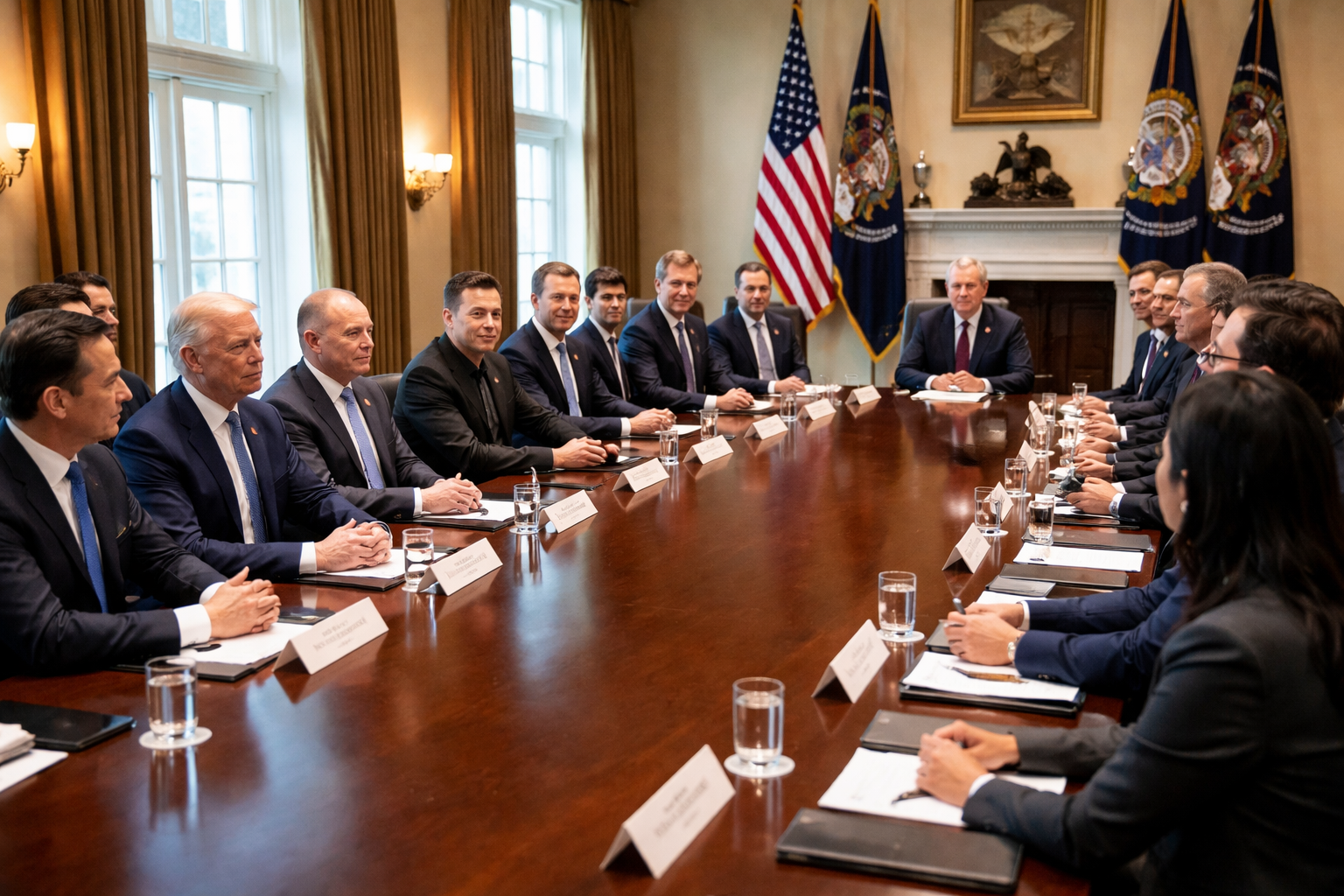
In a defining moment for the future of digital finance in the United States, President Donald Trump brought together leaders from Wall Street banks, major cryptocurrency companies, and federal regulators in Washington DC to discuss the direction of crypto policy. The meeting signaled a major shift in how digital assets are being treated at the highest levels of government. Once viewed as a fringe technology, cryptocurrency has now become a central topic in national economic planning and regulatory reform.
The summit focused on one main goal. Creating a clear and balanced legal framework for cryptocurrencies and blockchain technology. For years, uncertainty has slowed innovation, driven companies overseas, and created confusion for investors and institutions. The Trump administration now appears committed to resolving these issues and positioning the United States as a global leader in the digital asset economy.
The Changing Role Of Cryptocurrency In The US Economy
Cryptocurrency has evolved rapidly from a niche experiment into a major financial sector. Bitcoin, Ethereum, stablecoins, and decentralized finance platforms now move trillions of dollars in value each year. Major companies accept crypto payments. Banks offer digital asset custody. Investment funds trade crypto based products.
At the same time, millions of Americans now hold digital assets. Some use crypto as an investment. Others use it for payments, remittances, or savings outside traditional banking systems. This widespread adoption has forced policymakers to confront a simple truth. Crypto is here to stay.
President Trump’s decision to prioritize crypto policy reflects this reality. Rather than treating digital assets as a threat, his administration is increasingly viewing them as an opportunity for economic growth, innovation, and global leadership.
Why Does The Washington DC Summit Matters?
The summit brought together two worlds that once stood apart. Traditional finance and the crypto industry. Wall Street banks have historically been cautious about digital assets. Crypto companies have often felt targeted by regulators. This meeting created a rare space for open discussion between the two sides.
The goal was not to eliminate regulation. It was to improve it. Participants discussed how to protect consumers, prevent fraud, and maintain financial stability without crushing innovation. The message from the White House was clear. The United States wants rules that encourage growth while maintaining trust.
This meeting also showed that crypto is now a strategic issue. Not just a financial one. Digital assets affect national competitiveness, technological leadership, and even geopolitical power.
Regulatory Uncertainty Has Held The Industry Back
One of the biggest problems facing crypto in the US has been unclear and inconsistent regulation. Different agencies have claimed authority over digital assets. Companies often do not know whether a token is a security, a commodity, or something else entirely. This confusion has led to lawsuits, enforcement actions, and hesitation from investors.
Crypto companies argue that they want rules. They just want them to be clear and fair. Without certainty, businesses struggle to plan for the future. Banks hesitate to integrate crypto services. Innovators move their operations to countries with friendlier frameworks.
The summit addressed this issue directly. Participants pushed for legislation that clearly defines what digital assets are, who regulates them, and how they can operate legally in the US market.
Stablecoins And The Banking Debate
One of the most sensitive topics at the summit was stablecoins. These are cryptocurrencies pegged to traditional currencies like the US dollar. Stablecoins are widely used for trading, payments, and decentralized finance applications.
Banks worry that stablecoins could compete with traditional deposits. If people hold digital dollars instead of bank accounts, it could change how banks fund themselves and manage risk. Crypto firms argue that stablecoins improve efficiency, reduce costs, and expand access to financial services.
The debate centers on whether stablecoins should be regulated like bank products or like digital assets. At the summit, both sides agreed that stablecoins are important. But they differ on how tightly they should be controlled.
Finding the right balance will be critical. Too much restriction could stifle innovation. Too little oversight could create financial risks.
Trump’s Evolving View On Crypto
President Trump was once openly skeptical of cryptocurrency. He questioned its value and warned about risks. But over time, his position has changed. As crypto adoption has grown, so has his interest in shaping its future.
Now, Trump is presenting himself as a leader who understands the importance of digital assets. His administration is focused on making the US a hub for blockchain innovation and crypto investment. This includes supporting American companies, attracting global capital, and creating jobs in the digital economy.
By hosting this summit, Trump sent a clear message. Crypto is not an enemy of the system. It is becoming part of it.
Global Competition Makes Crypto Policy Urgent
The US is not alone in shaping crypto policy. Other regions have moved faster. Europe has adopted clear digital asset laws. Asia has become a major center for crypto trading and development. If the US falls behind, it risks losing talent and influence.
Participants at the summit stressed that regulatory clarity is not just about domestic issues. It is about global leadership. Countries that provide stable legal environments attract innovation. They become centers for new technologies.
If the US wants to lead in finance and technology, it must lead in crypto regulation too.
Traditional Finance Is Adapting
The presence of Wall Street banks at the summit shows how much things have changed. Large financial institutions are no longer ignoring crypto. Many are building infrastructure for digital assets. They offer custody services. They explore blockchain for payments and settlements. They invest in crypto related companies.
Banks see that crypto is becoming part of the financial system. They want rules that allow them to participate safely and competitively. They also want to protect customers and manage risk.
The summit allowed banks and crypto firms to speak directly to each other. This dialogue is essential for building a financial system where traditional and digital finance can coexist.
The Role Of Congress And Future Legislation
While the White House can set priorities, lasting change must come from Congress. Lawmakers are working on bills that define digital assets, assign regulatory authority, and create standards for trading, custody, and disclosure.
Progress has been slow. Political divisions, industry disagreements, and technical complexity have delayed action. But the summit showed renewed momentum. There is growing agreement that the current situation is unsustainable.
Future legislation is expected to focus on three main areas. Asset classification, stablecoin regulation, and consumer protection.
If successful, these laws could finally give the crypto industry the certainty it needs to grow responsibly.
Crypto As A Tool For Innovation And Inclusion
Beyond investment and trading, crypto and blockchain have broader potential. They can reduce transaction costs, increase transparency, and expand access to financial services. For people without bank accounts, digital wallets can provide a gateway to the economy.
Blockchain technology can improve supply chains, identity systems, and data security. Governments and businesses are exploring these uses worldwide.
The summit recognized this bigger picture. Crypto is not just about prices and speculation. It is about building new systems for a digital world.
Challenges That Still Remain
Despite optimism, challenges remain. Fraud, hacks, and scams still plague the industry. Volatility makes crypto risky for everyday users. Regulators must balance innovation with protection.
There is also the issue of decentralization. Many crypto projects are designed to operate without central control. This creates tension with traditional regulatory models based on licensing and oversight.
The summit did not solve all these problems. But it marked an important step toward cooperation instead of confrontation.
A Turning Point For US Crypto Policy
The Washington DC summit represents a turning point. It shows that cryptocurrency has reached a level of importance that demands serious political attention. The involvement of Wall Street, crypto leaders, and the President himself signals that digital assets are no longer a side issue.
The future of crypto in the US will depend on what comes next. If lawmakers deliver clear, fair, and forward looking rules, the US could become the world’s leading hub for blockchain innovation.
Conclusion
President Trump’s decision to prioritize cryptocurrency and bring together Wall Street and crypto leaders in Washington DC reflects a major shift in how digital assets are viewed in America. What was once experimental is now essential. What was once resisted is now being shaped. The summit highlighted the need for clarity, cooperation, and vision. Crypto is no longer just about technology. It is about the future of money, markets, and global leadership.